Light and drainage determine an indoor herb garden more than the style of the pots. Choose a location you can illuminate, water and clean before buying a decorative kit. Then match herbs to the available light, container size and routine. A manageable group of plants is more useful than a crowded collection that receives irregular care.
Build the herb garden around light, drainage, placement and a repeatable watering check. Start with a few herbs that fit the room, then add plants only when you know the station can support them.
1. Choose the location before the container
Measure the windowsill, shelf or counter where the herbs will live. Leave room to turn pots, wipe water, harvest leaves and remove a plant that develops a problem. A site near a bright window may be convenient, but a shelf with a safe grow light can offer more consistent conditions.
Check temperature swings and drafts. Herbs near a cold window, radiator, stove or frequently opened door may experience stress. Keep the station where you will see it daily. An indoor garden that is technically possible but easy to forget will not be a reliable food source.
2. Match herbs to the light you actually have
Basil, rosemary, thyme and many other culinary herbs prefer strong light, but their needs and growth habits differ. A bright window may support some herbs during part of the year and fail during short winter days. Look at the plant’s growth, not only the calendar. Long, pale stems and sparse leaves are clues that light is limiting.
A grow light can help when the room is dim or the window is shaded. Use the manufacturer’s guidance for height and duration, and keep the light setup safe around water. Light cannot correct a pot without drainage or a room where the plant is repeatedly chilled.
3. Choose containers with real drainage
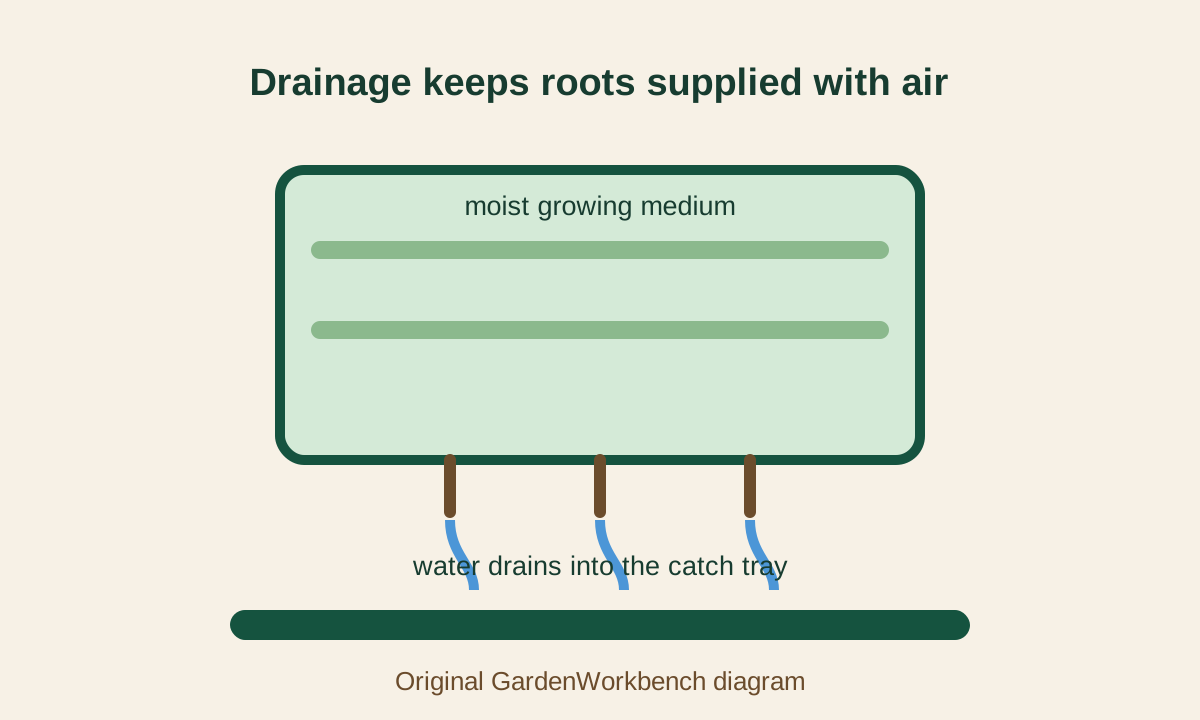
A decorative outer pot is not the same as a growing container. The inner pot needs drainage holes, and the saucer or tray needs to catch excess water without keeping the roots submerged. If the display pot has no outlet, use it as a cover rather than planting directly into it.
Choose a container that gives the roots room without holding far more wet medium than the plant can use. A tiny pot can dry quickly; a large pot can stay wet after a small plant has been watered. Place the station on a surface that can tolerate moisture and soil.
4. Use an appropriate growing medium
Indoor containers need a medium that drains and holds enough moisture for the plant. Garden soil can become dense in a pot and may introduce pests or drainage problems. Use a mix intended for containers, and follow its label rather than adding amendments by habit.
Label each pot with the herb and the date it was planted. That makes it easier to compare growth and to notice when one plant has a different water or light need. Do not assume every herb in a decorative set should receive the same amount of water.
| Situation | Starting choice | Check before adding more plants |
|---|---|---|
| Bright window | A few herbs in separate pots | Leaf color, stretch and heat at the glass. |
| Dim room | Small group under a grow light | Safe distance, timer routine and airflow. |
| Dry room | Container with visible saucer | Water depth, leaf response and evaporation. |
| Busy schedule | Fewer, durable herbs | Whether you can inspect soil and harvest regularly. |
5. Water by checking the medium
Do not water only because the calendar says it is the day. Touch the medium or use a simple moisture check at the depth appropriate for the pot. Water thoroughly enough to reach the root zone, then let excess drain. Empty standing water from the saucer.
Overwatering is often a placement and container problem, not a sign that the plant needs a different fertilizer. If the pot stays wet for too long, improve drainage, increase light and airflow, reduce the amount of water or move the plant to a better-sized container.
6. Start from plants or seed deliberately
Buying a small plant gives you a faster harvest and removes some germination steps. Starting from seed offers more varieties and can cost less per plant, but it requires light, timing and patience. Choose the route that fits your routine.
If you start seed indoors, build a seed-starting station that can separate young seedlings from mature herbs. Seedlings often need more consistent light and moisture than an established plant. Do not crowd both stages on a shelf without planning the airflow and access.
7. Harvest and maintain the station
Harvest lightly and often once the plant is established. Use clean scissors, avoid stripping every leaf and learn the growth habit of the herb. Pinching some herbs encourages branching, while woody herbs need a different approach. Follow a reliable extension or cultivar-specific guide when the plant is unfamiliar.
Once a week, inspect leaves for pests, rotate pots if light is one-sided, remove fallen leaves, clean the tray and check the drainage route. If you want a reminder routine, see the future reminder system and the current GardenWorkbench planner tools. The browser-based planner stores plans locally; accounts, push notifications and cross-device sync are not connected.
8. Keep the collection smaller than the shelf
Overcrowding creates shade, blocks airflow and makes it difficult to reach the soil. Start with two or three herbs and observe the room for a month. Add another plant only when the existing ones have a stable location and care routine.
A healthy indoor herb garden is not a décor contest. The best setup makes it easy to see the leaves, lift the pot, check the soil and harvest without disturbing every neighboring plant.
Common mistakes to avoid
Relying on a dim window
A bright-looking room can still provide weak light at leaf level. Watch for stretching and add a safe grow light when appropriate.
Planting into a pot without an outlet
Keep the outer decorative pot as a cover or cachepot and make the inner drainage path obvious.
Watering every plant on one schedule
Herbs differ in leaf, root and container behavior. Check each pot instead of treating the shelf as one zone.
Overcrowding the shelf
Crowding blocks light and airflow and makes pests harder to spot. Leave working room.
Build a light-and-watering routine you can repeat
An indoor herb garden succeeds when the daily routine is easier than forgetting it. Put the station where you naturally pass it, but keep leaves away from cold drafts, hot vents and standing water. Make the container tray easy to remove so you can empty runoff and clean the surface instead of letting moisture accumulate around the shelf.
Use the available light as the starting constraint. A bright window may be enough for some herbs during part of the year, while a dim location may need a supplemental light positioned close enough to be useful without heating the leaves. The right choice depends on the light pattern, the crop, the distance from the fixture and the hours you can maintain consistently. Do not treat a lamp label as proof that every herb will thrive.
A simple weekly check
- Feel the growing medium before watering rather than using a fixed calendar.
- Empty the tray and look for blocked drainage holes.
- Rotate containers if growth is leaning toward one direction.
- Remove damaged leaves and check the undersides for pests.
- Record which herbs are being harvested quickly and which are taking space without use.
This routine creates useful evidence for the next decision. If the medium remains wet for too long, improve drainage, reduce watering or move the container before buying another product. If stems stretch toward the window, adjust placement or light before adding more plants. If a herb is repeatedly ignored, replace it with something you will actually harvest.
Choose herbs by harvest rhythm
Start with a small group that matches how you cook. Fast, frequently harvested herbs can justify a prominent place, while slower or occasional herbs may be better as a single trial container. Keep labels with the planting date and variety when possible. This makes it easier to compare performance without pretending that one indoor setup represents every home.
When starting from seed, use fewer varieties than the shelf can technically hold. When buying plants, inspect the root zone, drainage and current moisture before bringing them inside. The goal is a manageable station with enough light, airflow and access to observe what is happening. A compact collection that stays healthy is more useful than a full shelf that cannot be checked consistently.
Use a small trial before expanding
Start with two or three herbs and keep the rest of the shelf available for observation. Mark where each container sits, how often it is harvested and how quickly the medium dries. After a few weeks, you will know whether the real limitation is light, airflow, watering time or simply a mismatch between the plants and your cooking routine.
Only expand after the first group has a stable place and a repeatable check. This keeps the indoor garden useful through seasonal changes instead of creating a crowded display that is difficult to water, clean or harvest.
Frequently asked questions
Which herbs are easiest indoors?
Choose herbs that match your light and routine rather than a universal list. A few established plants in the right place are easier than a large kit in low light.
Do indoor herbs need a grow light?
Not always. A strong window may work for part of the year, but a grow light can make the setup more consistent when natural light is weak or short.
How often should indoor herbs be watered?
Check the medium, pot size, light and room conditions. A fixed calendar interval is less reliable than a direct moisture check.
Can I use a decorative pot without drainage?
Use it as an outer cover with a draining inner pot. Do not leave roots sitting in water.
Should herbs be near a kitchen window?
They can be, if the light, temperature and airflow suit the plants. Avoid hot drafts, stove heat and a location where watering is difficult.
Can I grow herbs from supermarket pots?
Sometimes, but the plants may be crowded or stressed. Separate or repot only when the roots, medium and plant condition support the change.
Useful Sources And Verification
Use these extension sources to verify indoor herb, seed-starting and light decisions:
- University of Vermont Extension: Indoor Herb Gardening — indoor herb placement, light and care
- University of Minnesota Extension: Starting Seeds Indoors — seed, light and indoor station planning
- Clemson Extension: Starting Seeds Indoors — containers, light and early care
Indoor results vary with light intensity, temperature, humidity, cultivar and care. GardenWorkbench does not promise year-round success for every herb or room.